Showing posts with label omega 3. Show all posts

2009/03/21

FAQs: A Reality Check on Omega-3s


Q: How much of the good fats do I need each day?
A:
That’s open to debate, but the Institute of Medicine says 1.1 grams (1,100 milligrams) a day is enough for women. You may need a combination of foods and supplements to reach that level. Studies indicate more is probably better.

Q: Will supplements give me fishy breath or burps?
A:
A fishy odor or aftertaste is usually a sign of a poorly made product. Before buying, look for the words “molecularly distilled” on the label, a sign that any yucky stuff has been removed.

Q: Isn’t fish risky because of all the contaminants?
A:
Mercury and PCBs are cause for concern. But experts say seafood is safe for most of us as long as it’s limited to about two meals per week. For more info on safe fish here.

Last Updated: February 19, 2009
Filed Under: Nutrition and Eating Well

5 Reasons to Love (Good) Fat


If you skimp on healthy fats—omega-3s in fish, supplements, and some plant and dairy products—you’re missing out on a great way to help prevent a host of common problems. Here’s a quick look at how good these fats really are, and the best ways to work them into your life.

1. Fight those aches
How omega-3s help: Researchers at the University of Pittsburgh Medical Center found that nearly two-thirds of patients suffering from chronic neck and back pain stopped needing anti-inflammatory pain pills after taking fish-oil pills for 20 to 30 days. The key may be omega-3s’ ability to fight inflammation.

How to get them: You don’t necessarily have to take the pills, says Joseph C. Maroon, MD, a University of Pittsburgh neurosurgeon. Cold-water ocean fish (salmon, mackerel, herring) and lake trout are the best sources of anti-inflammatory omega-3s.

2. Stay slim
How omega-3s help: Mood swings can lead to bring-on-the-brownies moments that sabotage your efforts to lose weight. Omega-3s may help by stabilizing your moods, says Douglas Bibus, PhD, an omega-3 researcher and scientist at the University of Minnesota’s Academic Health Center.
How to get them: Bibus recommends taking a high-quality supplement for 30 days. If you don’t notice a difference, increase your dosage.

3. Have more “up” days
How omega-3s help: Another form of omega-3s known as DHA makes up 25 percent of your body’s brain fat and manages the production and flow of the feel-good chemical serotonin. People who battle depression seem to be DHA-deficient.

How to get them: Researchers believe a DHA supplement may be a gentler (and ultimately more effective) alternative to antidepressants, says David Perlmutter, MD, author of The Better Brain Book and an expert on the relationship between nutrition and neurological disorders. But don’t count on just any supplement available at a drugstore or on the Web. Here’s a list of omega-3 supplements judged in independent tests to be fresh and free of contaminants, and to have the amount of good fats listed on the label.

4. Breathe easier
How omega-3s help: Omega-3s may help reduce the inflammation associated with asthma. In a recent Indiana University study, patients taking fish-oil supplements were better at controlling exercise-triggered symptoms than people taking a placebo or just eating a normal diet were.
How to get them: A supplement is your best bet, Bibus says.

5. Keep your heart healthy
How omega-3s help: In addition to fighting inflammation, omega-3s may lower blood pressure and reduce clotting. And they may help fight diabetes, too. “Diabetes has a strong inflammatory component, which leads to a much greater risk of developing heart disease,” Bibus explains. Omega-3s help cells lower blood sugar, a key to avoiding diabetes, Perlmutter adds.
How to get them: Eat plant foods like flax, walnuts, spinach, arugula, avocados, and canola oil, and soy products like full-fat tofu and edamame. They have a form of omega-3s called ALA that may help prevent heart disease, according to Harvard Medical School scientists. Also eat coldwater fish twice a week. And if you like eggs, shop for brands like Eggland’s Best that contain high levels of omega-3s. Bon appétit.

by Julia Rosien

Last Updated: February 19, 2009
Filed Under: Nutrition and Eating Well

2009/03/20

Yes, You Can Eat Pasta Again


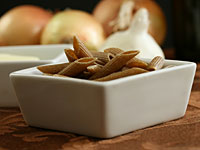
If you’ve been in the pasta aisle recently, you’ve seen the explosion of whole-grain and other newfangled pastas pumped up with protein and heart-healthy omega-3 fatty acids. They’re being marketed as better-for-you alternatives to traditional pasta, but are they?

Being active myself and married to a former professional cyclist who is still very competitive in the sport, you can bet that we go through a fair share of carbohydrates each week. My husband, Craig, who lived in Italy while racing on an Italian cycling team, is all about perfect pasta. It must be cooked just right, and he knows how to match the thickness of sauces to the specific shapes.

So when I came home the other day with all the new whole-wheat, high-fiber, fancified pastas, Craig was perturbed. “What’s the matter with regular pasta?” he grumbled.

“Nothing,” I assured him. “I just need to try these for research, then we can go back to our regular pasta.”

After cooking up batches of the six brands charted below, we taste-tested them with various tomato-based sauces. We liked them all, but the standouts were Ronzoni Healthy Harvest and Barilla Whole Grain, both of which are whole-grain pasta blends that use 51% whole-wheat flour.

The other four products are made with 100% whole grain, which lends a stiffer, chewier texture and somewhat nutty flavor. While we could get used to that, it was too different from our regular white pasta diet.

Here, you can compare some of the new whole-wheat pasta options to De Cecco traditional durum semolina-based pastas. The whole-grain has double to triple the fiber and more protein than regular pasta. And some varieties offer omega-3 fatty acids from flax, which is nutritious, but a less absorbable type of omega-3 than the kind found in fish.


Note: Nutrition information is based on a 56 gram serving, or about ½ cup uncooked pasta.
*Top picks in the Upton household.

Some tips for cooking up whole-grain pasta.

Don’t overcook by following the package cooking directions. Unlike traditional pasta, when you overcook whole-grain pasta, it turns to mush (as I quickly found out).

Thinner noodles, like spaghetti, in a whole-grain version, often turn out better than thick because they don’t cook as long.

When you pair any whole-wheat pasta with quality ingredients such as freshly grated Parmigiano-Reggiano cheese and extra-virgin olive oil, you really can’t go wrong.

Whether you eat whole-wheat or white pasta, the sauce is where you can make or break your diet. Avoid cream sauces and saturated-fat-rich meat sauces, which can sabotage the healthiest of staples.

By Julie Upton

Last Updated: February 20, 2009
Filed Under: Experts and Bloggers