Showing posts with label health magazine march 2009. Show all posts

2009/03/23

Keep Your Colon Healthy


From Health magazine

Do you realize that exercising regularly can cut your risk of colon cancer by as much as 40%? More than four in five Americans have no idea, according to a study from the Fox Chase Cancer Center.

Here, a few more tips to help you fight the third-leading cause of cancer deaths among women.

Quit. Women who smoke a lot hike their risk of developing colon cancer by 82%.

Up your D. People with high levels of vitamin D in their blood enjoy a 30 percent decrease in the risk of colon polyps—the precursors to cancer. Grab an extra serving of D-fortified milk (or yogurt).

Get checked sooner. A new study from Columbia University suggests that having a colonoscopy a decade earlier than usual (the average age is 50) may be worthwhile. Check with your doctor, and be sure to ask about the less-invasive virtual colonoscopy, now considered the equal of the traditional exam.

Last Updated: February 23, 2009
Filed Under: News You Need

2009/03/21

Feel Great Weight - Your Meal Plan


By Kimberly Dawn Neumann
From Health magazine

We’ve loaded this tasty 1,500- to 1,600-calorie-per-day plan with fat-burning, supersatisfying foods to help you lose up to a pound-and-a-half per week. (You will likely lose more when you factor in our strength and cardio plans.) For every inch taller or shorter than 5′ 4″, add or subtract 50 calories per day to reach the perfect Feel Great Weight calorie prescription.

Download this menu (pdf): http://www.health.com/health/static/downloads/fgw-menu-week.pdf

Weekly Menu: Monday

Breakfast: Coat 1 medium barely-ripe banana with 1 Tbsp natural-style peanut butter; roll into 1 whole-wheat tortilla. (277 cals, 5.6gm fiber, 9gm fat)
Snack: Dip 1 cup cucumber slices or celery sticks into a mixture of 1/2 cup plain low-fat yogurt, 1 tsp honey, 1 tsp lemon zest, 1 squeeze fresh lemon juice, and dash each salt and curry powder. (115 cals, 1.4gm fiber, 2gm fat)
Lunch: Fill 1 whole-wheat pita with a mixture of 4 oz solid white tuna in water (drained), 1 Tbsp light mayonnaise, and 2 Tbsp dried cranberries. (375 cals, 4.4gm fiber, 9.6gm fat)
Snack: Have 3/4 cup plain low-fat yogurt with 1 cup cubed peeled cantaloupe. (177cals, 1.5gm fiber, 3gm fat)
Dinner: Combine 1/2 cup cooked chilled orzo, 1/4 cup chopped baby spinach, 1 Tbsp chopped red onion, 1 tsp crumbled feta, 1 tsp pine nuts, and dash each dried basil and black pepper; serve cold with grilled asparagus and 5 oz boneless skinless chicken breast sautéed in 2 tsp olive oil. (470 cals, 2.6gm fiber, 17gm fat)
Snack: Top 1 1/2 cups sliced strawberries with 1/2 oz mascarpone and 1 tsp brown sugar. (149 cals, 5.7gm fiber, 7.5gm fat)

Tuesday

Breakfast:
Layer 1 cup plain fat-free yogurt with 1 cup blueberries, 2 Tbsp sliced almonds, and 1 Tbsp ground flaxseed. (288 cals, 7gm fiber, 10gm fat)
Snack: Nosh on a high-fiber granola bar. (130 cals, 5gm fiber, 3gm fat)
Lunch: Spread 1 Tbsp natural-style peanut butter onto 2 slices whole-grain bread, and top with 1/2 medium sliced barely ripe banana; have 10 each carrot and celery sticks. (394 cals, 14gm fiber, 11.6gm fat)
Snack: Eat 1 cup non-cream-based tomato soup sprinkled with 1 oz shredded part-skim mozzarella. (180 cals, 1gm fiber, 7gm fat)
Dinner: Combine 1/2 cup cooked chilled quinoa with 1/2 cup mixture of chopped tomato, cucumbers, and onion; 1 garlic clove, minced; 1 Tbsp lemon juice; 1 tsp olive oil; and salt and pepper to taste. Serve with 5 oz roasted pork loin topped with 2 Tbsp low-calorie (50 calories or less) marinade. (470 cals, 2.7gm fiber, 15.5gm fat)
Snack: Enjoy 3/4 oz dark chocolate (70% or more cacao content). (115 cals, 2gm fiber, 7gm fat)

Wednesday

Breakfast:
Eat 1 cup high-fiber, whole-grain cereal, 1 cup skim milk, and 1 cup strawberries. (255 cals, 10gm fiber, 2gm fat)
Snack: Layer 1 large tomato slice with 1 oz part-skim mozzarella and 2 basil leaves; drizzle with olive oil and balsamic vinegar to taste, and sprinkle with dash of salt. (106 cals, .3gm fiber, 7gm fat)
Lunch: Stir-fry 5 oz grilled firm tofu with 1 cup mixed vegetables and 2 tsp peanut oil; serve over 1/2 cup brown rice. (382 cals, 10gm fiber, 15gm fat)
Snack: Make ahead by tossing 1/4 cup drained canned chickpeas with 1 tsp each canola oil and sugar; spread on ungreased baking sheet, and roast at 350° 45 minutes or until crunchy, stirring occasionally. Toss beans with dash each of cinnamon and salt. (124 cals, 3gm fiber, 5.7gm fat)
Dinner: Heat 1 1/2 Tbsp olive oil and 1 garlic clove, minced; add 1 squeeze fresh lemon juice. Pour over 1 cup cooked whole-wheat spaghetti, 6 oz cooked peeled shrimp, and 1 cup chopped tomato; top with 1 Tbsp Parmesan. (492 cals, 4.6gm fiber, 25 gm fat)
Snack: Squeeze juice of 1 lime wedge over 1 broiled mango. (134 cals, 3.7gm fiber, .5gm fat)

Thursday

Breakfast:
Blend 1 cup mixed berries, 1 cup plain fat-free yogurt, 1 Tbsp agave nectar, 2 Tbsp wheat germ, and 1 cup ice. (357 cals, 6gm fiber, 1.8gm fat)
Snack: Sprinkle 5 cups low-fat microwave popcorn with Cheddar–flavored salt. (120 cals, 4gm fiber, 2.75gm fat)
Lunch: Place 3 oz turkey breast, lettuce, tomato, one-fourth of a peeled sliced avocado, and 1 Tbsp hummus on 2 slices whole-wheat bread; serve with 1/2 cup grapes. (394 cals, 8gm fiber, 13gm fat)
Snack: Have 3/4 cup shelled edamame. (150 cals, 1.5gm fiber, 3.75gm fat)
Dinner: Top 1 whole-wheat pita with ¼ cup marinara sauce, 2 oz shredded mozzarella, 1/4 cup chopped broccoli, ¼ cup sliced tomato, ¼ cup sliced mushrooms, 2 oz low-fat turkey Italian sausage; bake at 350° until cheese melts. (440 cals, 6.8gm fiber, 11.6gm fat)
Snack: Enjoy 1 low-fat ice-cream sandwich. (140 cals, 3gm fiber, 2gm fat)

Friday

Breakfast:
Mix 2 Tbsp chopped walnuts and 8 diced dried apricots into 1/2 cup cooked plain oatmeal. (285 cals, 6.5gm fiber, 12gm fat)
Snack: Nosh on 1 small pear and 1 Tbsp almonds. (133 cals, 4.5gm fiber, 5gm fat)
Lunch: Combine 1/2 cup beans (any kind), 1/3 cup reduced-fat shredded cheese, 2 Tbsp salsa, 2 Tbsp guacamole; roll into 1 whole-wheat tortilla. (390 cals, 13gm fiber, 12gm fat)
Snack: Spread 1 Tbsp almond butter onto mini-whole-wheat pita. (177 cals, 3gm fiber, 9gm fat)
Dinner: Have 1 cup miso soup, 1/2 cup edamame, and 1 non-tempura sushi roll. (490 cals, 15gm fiber, 18gm fat)
Snack: Microwave 1 chocolate kiss candy and 1 marshmallow between 2 graham cracker halves. (106 cals, 0.5gm fiber, 2.88gm fat)

Saturday

Breakfast:
Spread 1 Tbsp cashew butter onto 1 frozen multigrain waffle; serve with 1 cup fat-free yogurt. (300 cals, 2gm fiber, 12.5gm fat)
Snack: Dip 1 cup baby carrots into 2 Tbsp hummus. (100 cals, 4gm fiber, 2.5gm fat)
Lunch: Serve 2 cups bean or lentil soup with 1 cup mixed-greens salad, 1/2 oz chopped nuts, and 1 Tbsp light vinaigrette. (392 cals, 20gm fiber, 20gm fat)
Snack: Wrap 1/2 cup arugula, 1 oz prosciutto, and 1/2 oz Parmesan in a mini-tortilla. (170 cals, 1gm fiber, 8gm fat)
Dinner: Top a veggie burger with 1 oz light cheese, 1 Tbsp ketchup, one-eighth of an avocado, lettuce, tomato, onion, and sprouts; serve on whole-wheat bun with 1 ear corn. (488 cals, 15gm fiber, 15gm fat)
Snack: Microwave 3/4 cup pitted frozen cherries until warm; top with 2 Tbsp part-skim ricotta and 2 tsp slivered almond. (155 cals, 3gm fiber, 6gm fat)

Sunday

Breakfast:
Scramble 1 egg and 2 egg whites with 1 cup vegetables; serve with 1 whole-wheat English muffin. (276 cals, 7gm fiber, 7gm fat)
Snack: Top 1 cup raspberries with 2 Tbsp plain low-fat yogurt, and 1 tsp honey. (100 cals, 8gm fiber, 1 gm fat)
Lunch: Combine 4 oz cooked cooled unpeeled cubed potato, 1 hard-boiled egg, 2 hard-boiled egg whites, 1/4 cup corn, 1/4 cup chopped green bell pepper, 1/4 cup chopped onion, 2 Tbsp light mayonnaise, and cracked black pepper and sea salt to taste; serve over arugula. (382 cals, 5gm fiber, 15gm fat)
Snack: Crunch on 1 oz baked tortilla chips with 3 Tbsp black bean dip. (155 cals, 3.5gm fiber, 1gm fat)
Dinner: Top 6 oz halibut with 2 Tbsp light mayonnaise and 2 Tbsp Parmesan; bake at 350° 15–18 minutes or until fish flakes easily. Serve with 1/2 cup wild rice and 1 cup mixed greens with 2 Tbsp light vinaigrette. (498 cals, 2.6gm fiber, 15.7gm fat)
Snack: Have 1/2 cup sorbet. (100 cals, 0gm fiber, 0gm fat)

Last Updated: March 17, 2009
Filed Under: Feel Great Weight

2009/03/20

Slideshow: Spa Luxury for Less


By Rozalynn S. Frazier
From Health magazine

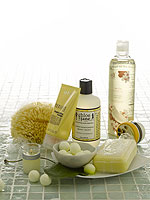
Who says you have to spend a ton to pamper yourself? We found luxe stuff that won’t blow your bank account. View the slideshow: http://slideshows.health.com/slide_shows/10469/slides/12001

Last Updated: March 2, 2009
Filed Under: Spa Living

How the Recession Hurts Women


More women feel superstressed during economic downturns—84% versus 75% of men—according to a new survey by the American Psychological Association. How do they cope?

Many women opt for unhealthy habits. Asked to identify what they do for relief, here’s how they responded.

Habit : Percentage
Shopping : 25%
Gambling : 4%
Eating : 39%
Drinking : 15%
Watching TV or movies more than 2 hours a day : 40%
Smoking : 17%

Last Updated: February 23, 2009
Filed Under: News You Need

Keep Your Colon Healthy


From Health magazine

Do you realize that exercising regularly can cut your risk of colon cancer by as much as 40%? More than four in five Americans have no idea, according to a study from the Fox Chase Cancer Center.

Here, a few more tips to help you fight the third-leading cause of cancer deaths among women.

Quit. Women who smoke a lot hike their risk of developing colon cancer by 82%.

Up your D. People with high levels of vitamin D in their blood enjoy a 30 percent decrease in the risk of colon polyps—the precursors to cancer. Grab an extra serving of D-fortified milk (or yogurt).

Get checked sooner. A new study from Columbia University suggests that having a colonoscopy a decade earlier than usual (the average age is 50) may be worthwhile. Check with your doctor, and be sure to ask about the less-invasive virtual colonoscopy, now considered the equal of the traditional exam.

Last Updated: February 23, 2009
Filed Under: News You Need

Live Your Ultimate Life: Give Yourself a Pep-Talk


By Brittani Renaud
From Health magazine

If you’re facing a new challenge…
Ease the dread by telling yourself what you’ll get out of it. Have to give a presentation at work? Think: Getting through this will give me more confidence the next time I need to speak in public. Trying a new gym class? Remind yourself that you’re braving it to get healthier. Go, you!

If you’re feeling down about yourself…
Think back to when you’ve bounced back from bigger setbacks, saying to yourself, “I can overcome this. I’ve done it before.” Whenever the going gets tough (whether you’ve lost your job, endured a bad breakup, or just need an ego boost), it truly helps to repeat a mantra like, “I kick butt!”

Last Updated: February 17, 2009
Filed Under: Mind and Body

Do You Need a Breast Reduction?

From Health magazine

The number of women opting for breast reductions has jumped 25% in recent years—to 106,000 in the latest annual count by the American Society of Plastic Surgeons (ASPS). Experts say women who could benefit from a reduction often complain of:

  • Pain in the shoulders, back, and neck
  • Rashes on the undersides of the breasts
    Difficulty running, jogging, or playing high-impact sports, or golfing because breasts get in the way
  • Asymmetry, where one breast may be as much as two cup sizes larger than the other

Last Updated: February 20, 2009
Filed Under: Mind and Body

Solutions for Painful Bunions, Frequent Bruises, and Colon Cancer Concerns


From Health magazine

Q: I’ve developed some ugly, painful bunions. Do I have to stop wearing my high heels?
A:
Any shoe that pinches your feet could aggravate a bunion, so you need to be sure you’re giving your feet the room they need. Bunions form when bone grows abnormally at the base of the big toe in the joint between your toe and foot. As they develop, they turn the big toe inward toward the smaller toes, and the enlarged joint can become inflamed, red, and painful. Though most bunions are inherited, a narrow shoe with a small toe box can sometimes cause them.

Make sure any style that you wear provides at least a half-inch of space between the end of your longest toe and the shoe tip. The shoe should conform to the shape of your foot and be comfortable across the widest part. (A recent study said most of us wear shoes a size too small!)

How you walk also could be part of the problem. Placing too much stress on the big toe or inside of your foot can cause bunions and a host of other problems, including back pain.

If your bunions hurt, see a podiatrist. She may suggest special padding for your shoes or medication to reduce the swelling and pain. Also, orthotic shoes or inserts may help keep your feet in the right position as you walk.

Last Updated: February 17, 2009
Filed Under: Mind and Body

Good Gyno Hygiene: Debunking Pelvic Myths


By Leslie Goldman
From Health magazine

Va-jay-jay, bajingo, cha-cha, down there. Given our reluctance to even say the word “vagina,” it’s no wonder that myths about this body part often go unchecked. You’ve heard that douching is bad and cotton panties are good—those are true.

But what about all those other health “factoids” concerning odor, medications, and peeing? Here, the real story.

Myth: Your vagina should smell like orchids

Debunked: It’s normal to smell a little sweaty or have a mild sour-milk scent from lactobacilli (a kind of healthy bacteria in the vagina that encourage a weakly acidic yet protective pH level).

“We’re taught that we’re supposed to be odorless or smell like flowers, but we don’t smell like
flowers—and we don’t smell bad,” says Elizabeth Stewart, MD, director of the Vulvovaginal Service at Harvard Vanguard Medical Association and author of The V Book. New odor-reducing, fresh-and-clean products hit the market every year, all with subtle sexual appeal. Don’t fall for it. You don’t even need soap to keep your vagina clean and happy. Warm water is totally adequate for good hygiene (although a gentle product could be used).

Myth: If a trimmed bikini line is good, totally bare is even better

Debunked:
Pubic hair cushions and protects your vagina from friction and infection. Removing all your hair or leaving just a landing strip can lead to significant irritation—from the removal process itself and from rubbing against underwear or jeans. That friction can cause invisible microabrasions that give bacteria on the skin an opportunity to sneak into the bloodstream. “People think less hair is good,” says Melissa Goist, MD, an OB-GYN at The Ohio State University Medical Center, “but that’s only if you have lice or crabs.” Going bare might also increase transmission of skin-to-skin sexually transmitted infections like herpes or human papillomavirus (HPV). Still want to dare to be bare? Dr. Goist suggests shaving with a new razor every time and using warm water and shaving cream to limit the risk of infection.

Last Updated: March 5, 2009
Filed Under: Mind and Body

Is Fasting Dangerous?


From Health magazine

Q: Is fasting a couple of days a week dangerous?
A:
If you plan to eat and drink nothing, then, yes, it’s risky. It could cause dehydration and dangerously low blood sugar levels, which can make you pass out. If you’re otherwise healthy and still drink water, 100 percent fruit juice, and no-calorie beverages, you probably won’t suffer health consequences if you do it only for a day at a time every once in a while (not twice a week). But get your doctor’s OK first, and know that most of the weight lost will be water and muscle, not fat. Our advice: Forget the fast and make small changes you can live with for a lifetime.

Q: I need to lose 30 pounds. If I do will I go down a bra size?

A:
Breast tissue is virtually all fat, so it shrinks when you lose weight. But exercises that build up chest muscles can help keep breasts looking full. Every other day, do Push-Ups (2–3 sets of as many as you can). Then do Chest Presses (2–3 sets of 12–15 reps): Lie on your back with a 5- to 8-pound weight in each hand, arms open, and elbows bent. Press weights up toward the ceiling, then lower.

Julie Upton, MS, RD, is a media resource for the American Dietetic Association.

Last Updated: February 26, 2009
Filed Under: Experts and Bloggers

Steal This Dish: Party Pancakes


By Francis Largeman-Roth, RD
From Health magazine

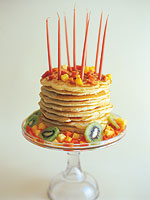
Matthew Mead’s new Entertaining Simple (Wiley, 2008; .95) offers creative and easy ways to make friends and family feel welcome.

Here’s one of our favorites: Top a stack of hot pancakes with fresh papaya, mango, and kiwi (or any favorite fruit), then add candles. It’s a fun way to celebrate everything from a kid’s birthday to your anniversary. And hey, it’s lighter than a cake.

Last Updated: March 12, 2009
Filed Under: Experts and Bloggers

The Ultimate (Budget-Friendly) Wine and Cheese Party


By Susan Sugarman
From Health magazine

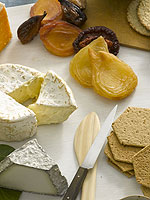
Be a cheese whiz with these professional tips for easy planning—and saving a few bucks:

Stick to odd numbers.
Serve three or five cheese options. This creates a balanced look, says Rob Kaufelt, owner of the renowned Murray’s Cheese shops in New York City.
Bonus: Limiting variety keeps costs down, too.

Balance textures and flavors. Include a soft, semisoft, and hard cheese on your board, advises David Myers, chef and owner of Sona in Los Angeles. And have a mix of mild (chèvre or manchego) and strong cheese (any blue cheese or a sharp Cheddar).

Don’t over-buy. You want your cheese to be as fresh as possible, so just buy what you need. Get 1–2 ounces of each cheese per person, suggests Kaufelt.

Wheel and deal. Make friends with your local cheesemonger, who will let you try before you buy. She can also point out interesting—and budget-friendly—options. Also, consider mass retailers like Costco and BJ’s: They offer great domestic and international cheeses well below grocery-store prices.

Enhance flavor. Take cheese out of the fridge 30 minutes to an hour before serving.

Streamline the sips. Stick with one red and one white wine to avoid competing with the flavors of the cheeses.

Good bets: Sauvignon Blanc and Pinot Noir because they won’t overwhelm the fromage. Andrea Robinson, Health’s wine columnist and author of 2009 Wine Buying Guide for Everyone, likes Erath Oregon Pinot Noir 2007 () and Girard Sauvignon Blanc 2007 ().

Last Updated: March 12, 2009
Filed Under: Healthy Cooking

2009/03/19

How to Age-Proof Your Diet


By Sarah Jio
From Health magazine

Remember when you swore that Lucky Charms could kill a hangover? Note to your older and wiser self: These days, your body needs more than a sugar rush to feel good.

The 30s

“Women in their 30s are trying to do it all,” says Keri Gans, RD, a spokeswoman for the American Dietetic Association. Your body needs plenty of energy to handle the load—and the right foods to counter the inevitable metabolism slowdown that happens as you get older. An active woman in her 30s of average height who weighs about 140 pounds should shoot for about 2,200 calories a day, Gans says.

MEAL PLAN

  1. Breakfast: Scrambled egg whites with spinach and tomatoes; whole-wheat toast. Egg whites provide lean protein to help control your weight. Tomatoes lend vitamin C to help with absorption. Spinach adds iron, a mineral you need to stay energized, Gans says. And whole-wheat toast provides fiber (so you don’t get the midmorning munchies).
  2. Lunch: Veggie pizza with half the cheese; mixed-greens salad. Hope Ricciotti, MD, associate professor of obstetrics and gynecology at Harvard Medical School, says pizza with less cheese is practically a “health food”—if it’s made with a whole-wheat-flour crust and eaten with a mixed-greens salad. Ask for half the cheese at your favorite pizza place, or just make it yourself.
  3. Dinner: Sirloin steak stir-fry or grilled salmon; steamed asparagus. Meat is iron-rich; choose lean and use it as a flavoring (like in a stir-fry). Don’t like steak? Salmon is packed with good-for-you omega-3 fats. And asparagus is a rich sources of folate, Dr. Ricciotti says.

Last Updated: February 26, 2009
Filed Under: Nutrition and Eating Well

The Best Cancer-Fighting Veggies


From Health magazine

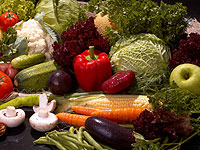
Not all vegetables are created equal. Some are much better than others at lowering your risk of diseases associated with aging—like cancer—according to a new study in Food Chemistry.

Researchers say antioxidant compounds in dark-green vegetables like spinach and “fragrant” vegetables like onions and garlic inhibit the growth of tumor cells. 

 Eat More… : Eat Less…
 Brussels sprouts : Potatoes
 Kale : Carrots
 Cabbage : Tomatoes
 Garlic : Lettuce
 Spinach : Cucumbers

The bad news: These veggies make up only 1% of fruit-and-vegetable consumption in the United States, while those that have almost no cancer-preventive power (like potatoes) make up 60%. All veggies can help control your weight, but to get more of an anticancer punch, try these swaps:

Last Updated: February 23, 2009
Filed Under: Nutrition and Eating Well

Is Calorie Counting Easy? America Wants Nutritional Information


From Health magazine

Nearly 8 in 10 Americans say they want fast-food and chain restaurants to list nutritional information more prominently—including calories. California became the first state to pass a menu-labeling law, and New York City has a similar law.

Do these laws help people say no to 500-calorie muffins, belly-busting burgers, and cake slices fit for four? The early research is mixed, but one study suggests that the new laws lead you to eat 50 fewer calories each time you dine out. That adds up to a weight loss of 3 pounds in a year. Here are the cities, counties, and states where the new laws are in force or pending.

  • Seattle
  • San Francisco
  • Santa Clara County
  • Chicago
  • Philadelphia
  • New York City
  • Montgomery County
  • Washington, D.C.

Last Updated: March 17, 2009
Filed Under: Nutrition and Eating Well

Five Healthiest Foods for Your Buck


By Brett Hill
From Health magazine

Load these in your cart: They’re nutritional heavyweights for less than .

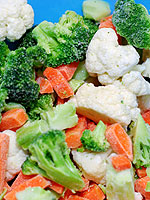
1. Frozen mixed vegetables
Add these low-calorie, fill-you-up, vitamin-rich gems to stews, soups, or pasta. Or serve them on the side, tossed with a little olive oil, salt, and pepper.

2. Canned wild salmon
Scramble it with eggs, use in place of tuna for a healthy sandwich, or top a salad with a few forkfuls for added protein and a boost of omega-3s.

3. Brown rice
Serve this filling, high-fiber grain as a side dish, add it to a salad, mix it with veggies, or even warm it up with a little cinnamon and milk for breakfast. Heads-up: It takes about 45 minutes to cook, so make a big batch.

4. Frozen edamame
Boil it for snacking, toss some into a stir-fry, or mix it with rice for added nutritional punch. Edamame is high in protein, fiber, B vitamins, folate, and vitamin K.

5. Sweet potatoes
Put them in casseroles, slice them for roasting, mash them, or use them in quick breads. These versatile veggies are loaded with fiber, beta-carotene, and vitamin A.

Last Updated: March 12, 2009
Filed Under: Shop Smarter

Erase Your Age: Three Ways to Look Younger


From Health magazine

Scientists in search of the Fountain of Youth share their findings. You can try these tricks today!

Rest up.
During deep sleep, your skin grows cells, builds proteins, and repairs damage from stress and sun. Aim for seven hours of zzz’s a night.

Drink up. 
Hydrating from the inside out will keep skin firm and plump. Sneak in eight cups of water a day. Sip green tea at your desk, have soup for lunch, snack on some juicy watermelon (91% water) or crisp cucumber (95%).

Straighten up. 
Rounded, hunched shoulders age you instantly. Here’s a one-minute refresher from Janice Novak, author of Posture: Get It Straight. Stand tall with knees soft (not locked). Inhale. Exhale, pulling your belly button back toward your spine. Lift the front of your rib cage an inch or two. Check that your ear, shoulder, hip, and ankle are all in alignment, and—voilà!—bye-bye hunchback.

Last Updated: March 13, 2009
Filed Under: Skin and Anti-Aging

Are You Making Yourself Look Older?

From Health magazine

We asked makeup pro Jeannie Mai and wardrobe guru Alison Deyette of TLC’s 10 Years Younger, to name their top instant agers—the things women do that actually make them look older.

1. Heavy foundation cakes between fine lines, making wrinkles stand out, Mai says. Instead, lightly pat foundation onto trouble spots with a blush brush.

2. Clumpy mascara on upper and lower lashes creates a dated look. Try Mai’s “rock and roll” method: Curl lashes then, starting at the base of the lash, rock the mascara wand horizontally back and forth, and roll it out to the tip of each lash.

3. Side-swiped blush high on the cheekbones is so five years ago. Today, for a younger look, brush your blush just on the apples of your cheeks.

4. Light-washed jeans age you. The darker the wash, the more flattering,” Deyette says. Go for a midrise waist and boot-cut legs.

5. Anything boxy or tight works against your shape, Deyette says. Forget the size number and choose what fits your curves.

Last Updated: February 24, 2009
Filed Under: Makeup
Also Tagged: 

Top 3 Problems Your Doctor May Miss


From Health magazine

The average doctor’s appointment lasts a paltry 10 minutes, a visit so brief it’s easy for your doc to forget to do some important checking.

Here are three health issues that medical experts say should never be skipped or ignored.

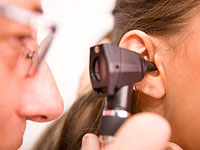
#1 Earwax:
Sometimes the gooey stuff gets impacted, which can lead to pain or hearing loss. When your doc routinely checks your ears, ask about earwax. And remember: Sticking a swab in your ear often causes impaction.

#2 Moles:
Any mole should be looked at during an annual checkup, because it’s crucial to catch skin cancer early. Make sure you and your doc are paying attention, and see a derm for a complete exam if you have concerns.

#3 Oral Cancer: 
The human papillomavirus, the leading cause of cervical cancer, is responsible for about 25% of oral cancer cases. (Blame oral sex.) Ask your dentist for a five-minute oral cancer screening at each checkup.

Last Updated: February 26, 2009
Filed Under: News You Need

Healthiest Fast Food Values

by Tracy Minkin and Brittani Renaud
From Health magazine

Watching your spending? Who isn’t, right? Here are the top three healthiest picks from the value menus.

McDonald’s McChicken Sandwich (Dollar Value Menu): This pick weighs in at just 360 calories and 3 grams of saturated fat.

Burger King’s Whopper Jr. (Value Menu): If you love a burger, this is your healthiest budget buy: Just hold the mayo and it’s a 290-calorie lunch.

McDonald’s Ice Cream Sundae (Dollar Value Menu): Order strawberry and get 20% of your daily calcium for less than 300 calories.

Last Updated: February 20, 2009
Filed Under: America's Healthiest